Understanding U.S. Drone Regulations
A Practical Guide for Recreational and Commercial Drone Pilots
Author: Nomadic Shutter
Category: Drone Education
Tags: FAA, Part 107, TRUST, Remote ID, FAASTeam, Drone Safety
Last Reviewed: July 2026
Disclaimer: This article is provided for general informational purposes only and should not be considered legal advice. FAA regulations and local restrictions may change over time. Always verify current requirements using the official resources provided at the end of this article before flying.
Why Drone Regulations Matter
Drones have transformed photography, videography, surveying, and exploration by providing perspectives that were once impossible to capture. From coastal landscapes and mountain views to wildlife and outdoor adventures, drones have become powerful creative tools.
However, drones are also aircraft operating within the National Airspace System (NAS). The Federal Aviation Administration (FAA) establishes regulations designed to protect people on the ground, other aircraft, emergency responders, and the safe integration of unmanned aircraft into the nation's airspace.
Whether flying recreationally or commercially, every pilot has a responsibility to understand the rules before taking off.
Recreational Flying and TRUST
If you fly a drone strictly for recreational purposes, the FAA requires completion of The Recreational UAS Safety Test (TRUST) before operating outdoors.
TRUST is:
- Free
- Completed online
- Required once
- Designed to educate pilots on safe drone operations
The purpose of TRUST is not to create a difficult certification process, but to ensure recreational pilots understand basic safety principles, airspace awareness, and FAA requirements.
After completing TRUST, pilots receive a certificate of completion that should be carried while flying.
Several FAA-approved organizations provide TRUST testing. I completed my TRUST certification through UAV Coach, which provides a straightforward and user-friendly training experience for recreational pilots.
Official resources:
FAA Drone Registration
Many drone pilots are surprised to learn that registration may be required.
Generally:
- Recreational drones weighing 250 grams (0.55 pounds) or more must be registered with the FAA.
- Part 107 operations require compliance with FAA registration requirements.
Registration is completed through FAA DroneZone and provides a unique identification number for the aircraft.
Registration is inexpensive, valid for three years, and helps support accountability within the National Airspace System.
Official resource:
Remote ID
Remote ID is often described as a digital license plate for drones.
The system allows compliant drones to broadcast identification and location information during flight. This helps improve airspace awareness and supports the safe integration of drones into the National Airspace System.
Most newer drones include Standard Remote ID capability. Some older aircraft may require an approved Remote ID broadcast module if they fall under the applicable requirements.
Official resource:
When Is a Part 107 Certificate Required?
One of the most common misconceptions is:
"You only need Part 107 if someone pays you."
The FAA determination is based primarily on the purpose of the operation, not simply whether money changes hands.
If a flight is not purely recreational, Part 107 generally applies.
Examples include:
- Real estate photography
- Construction documentation
- Infrastructure inspections
- Commercial photography and video
- Business marketing content
- Client projects
- Operations conducted in support of a business
To obtain a Remote Pilot Certificate, applicants must:
- Pass the FAA knowledge examination
- Complete TSA security vetting
- Apply through FAA IACRA
Official resource:
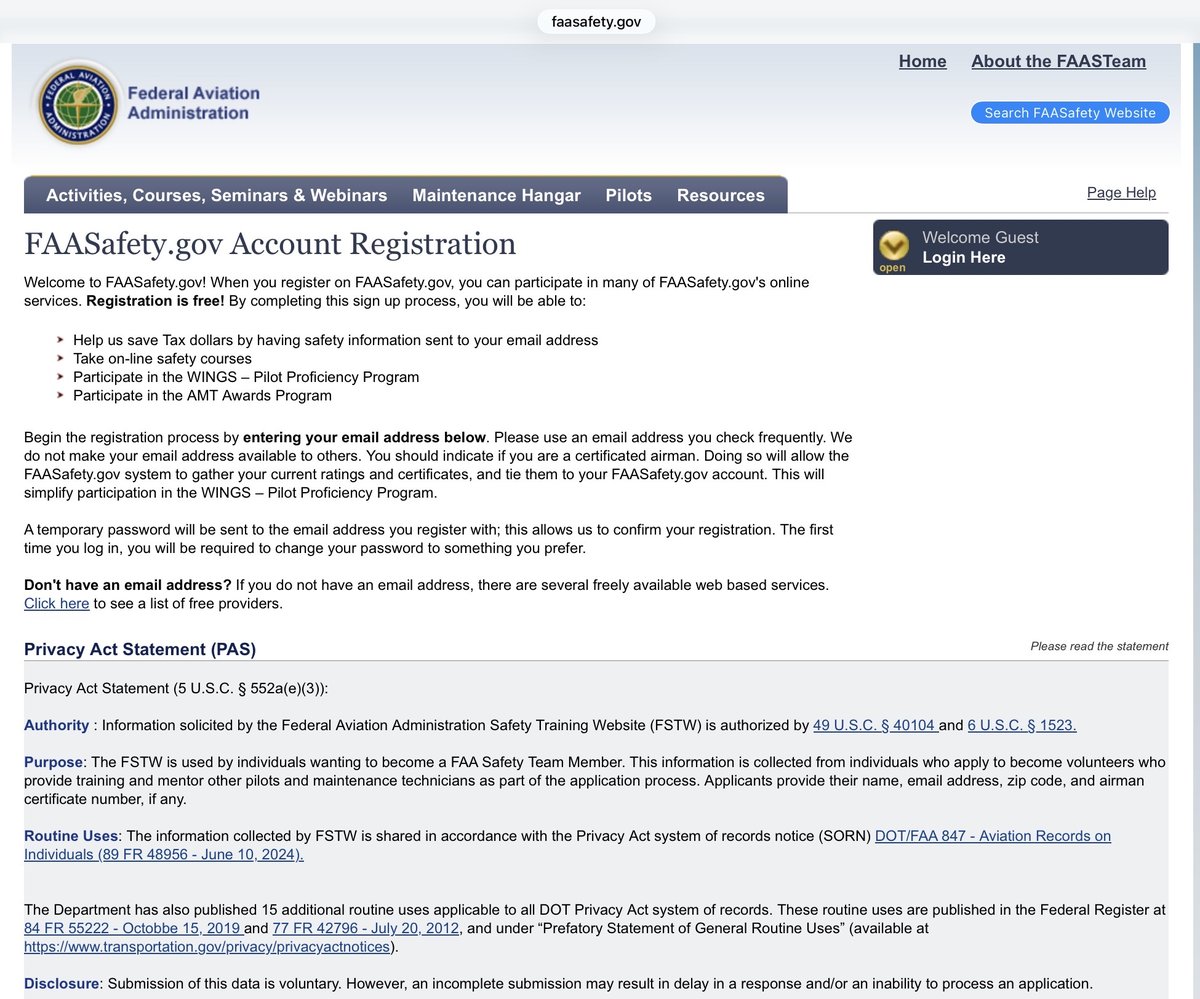
Continuing Education and FAASTeam
Earning a Part 107 certificate is only the beginning of becoming a knowledgeable and responsible pilot.
Remote Pilots exercising Part 107 privileges must complete FAA recurrent training every 24 calendar months to remain current.
Beyond the minimum requirements, continuing education is one of the best ways to stay informed as regulations, technology, and operational guidance evolve.
The FAA Safety Team (FAASTeam) provides free educational opportunities including:
- Online seminars
- Safety webinars
- Training courses
- Aviation safety presentations
Common topics include:
- FAA regulatory updates
- Airspace changes
- Remote ID
- Weather considerations
- Risk management
- Human factors
- Accident case studies
- Safe operating practices
As a Part 107 pilot, I regularly participate in FAASTeam online safety seminars and educational events. These sessions provide valuable insight directly from FAA personnel and aviation professionals while helping pilots stay current with changing requirements.
Many qualifying activities also provide WINGS or DronePro credit, encouraging pilots to continue developing their knowledge and safety practices.
Official resources:
Airspace Awareness: B4UFLY and LAANC
Many pilots remember the original FAA B4UFLY mobile application.
That standalone FAA app was retired in 2024. The FAA now provides B4UFLY services through approved UAS Service Suppliers (USSs) rather than through a single FAA-operated application.
These approved services help pilots review important information before flying, including:
- Controlled airspace
- Temporary Flight Restrictions (TFRs)
- Nearby airports
- Safety advisories
- Other operational considerations
If operating in controlled airspace, pilots may also need authorization through LAANC (Low Altitude Authorization and Notification Capability).
Many FAA-approved providers allow pilots to request LAANC authorization directly through their applications where available.
Official resources:
Federal Regulations vs. Local Restrictions
Understanding the difference between FAA regulations and local restrictions is one of the most confusing areas for drone pilots.
The FAA regulates:
- The National Airspace System
- Aircraft operations
- Airspace restrictions
- Aviation safety requirements
Local governments, municipalities, parks, and land managers may regulate:
- Launching and landing from property they control
- Park usage
- Privacy concerns
- Noise restrictions
- Wildlife protection
- Local permits
A drone flight may be legal from an FAA airspace perspective while still violating a local rule regarding where the drone may be launched or operated.
Always research both federal requirements and local policies before flying.
National Parks, State Parks, and Public Lands
National Parks are one of the most common areas of confusion for drone pilots.
The National Park Service generally prohibits launching, landing, or operating drones within units of the National Park System unless specifically authorized.
State parks are different. Regulations vary significantly from state to state.
Some states:
- Prohibit drone operations
- Allow flights only in designated areas
- Require permits
- Have restrictions related to wildlife or visitors
Never assume that rules in one park or state apply somewhere else.
Official resource:
Law Enforcement and Local Awareness
One of the practical challenges of drone operations is that knowledge of FAA regulations varies widely among local officials, park staff, and members of the public.
In many locations, interactions with officials are positive and professional. However, not everyone involved with local enforcement or land management has extensive familiarity with the distinction between FAA authority and local restrictions.
In my experience, understanding the regulations and being prepared with documentation helps prevent misunderstandings.
When flying, it is good practice to have available:
- TRUST completion certificate (recreational pilots)
- Part 107 Remote Pilot Certificate (if applicable)
- FAA registration information
- Required airspace authorization
- Government-issued photo identification
If approached, remain courteous and cooperative. A respectful conversation and a clear understanding of the regulations often go a long way.
If there is disagreement regarding FAA authority or local policies, it is usually best addressed through the appropriate administrative channels rather than during an active flight operation.
Responsible pilots help educate the public and local officials by demonstrating safe, respectful, and informed drone operations.
Final Thoughts
Flying a drone is both a privilege and a responsibility.
Whether capturing a coastal sunrise, documenting a mountain landscape, or producing professional imagery, understanding the regulations behind every flight is an essential part of responsible drone photography.
The FAA provides excellent educational resources for pilots at every experience level. By staying informed, participating in continuing education, and respecting the locations where we fly, drone pilots help protect access and opportunities for the entire community.
At Nomadic Shutter, the goal is not only to capture unique perspectives from above, but to do so safely, responsibly, and with respect for the places we explore.
Official Resources
Federal Aviation Administration (FAA)
- FAA Unmanned Aircraft Systems (UAS)
- FAA Recreational Flyers
- TRUST – Recreational UAS Safety Test
- FAA DroneZone Registration Portal
- FAA Remote ID
- Become an FAA Remote Pilot (Part 107)
- FAA Safety Team (FAASTeam)
- FAASTeam Events and Webinars
- FAASTeam Online Learning Center
- FAA B4UFLY Service Providers
- FAA LAANC Information